 White Paper
Safely Disposing of a Biosafety Cabinet
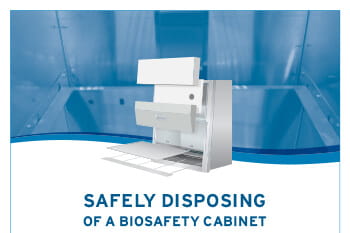
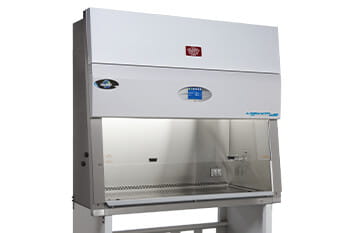
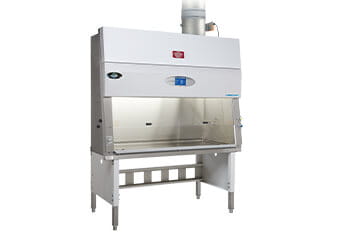
The white paper “Safely Disposing of a Biosafety Cabinet,” authored by Julianne L. Baron, Ph.D., CPH, RBP, offers a comprehensive guide for laboratory professionals on properly disposing of biosafety cabinets (BSCs). As these cabinets play a crucial role in protecting laboratory personnel, products, and the environment from biohazards, their disposal requires meticulous planning and adherence to safety protocols to prevent contamination and ensure compliance with regulatory standards.
Dr. Baron begins by outlining the regulatory requirements and guidelines that govern the disposal of BSCs, emphasizing the importance of adhering to local, state, and federal regulations. The white paper details the necessary steps for decontaminating the cabinet before disposal, highlighting the use of chemical disinfectants and gas decontamination methods to eliminate any residual biohazardous materials.
The document also discusses the importance of consulting with certified professionals and biosafety officers to ensure the decontamination and disposal processes are conducted safely and effectively. Dr. Baron provides practical advice on dismantling the cabinet, including properly handling HEPA filters, which must be treated as hazardous waste due to potential contamination.
Additionally, the white paper covers the logistics of transporting the decontaminated BSC to a disposal facility, recommending using specialized biohazard disposal services to manage the process. Dr. Baron emphasizes the importance of maintaining thorough documentation throughout the disposal process, including records of decontamination, transportation, and final disposal, to ensure compliance with regulatory standards and provide a clear audit trail.
Furthermore, the white paper offers guidance on recycling and repurposing components of the BSC, where possible, to promote environmental sustainability. Dr. Baron encourages laboratories to explore options for recycling metals and other materials, reducing the environmental impact of disposing of biosafety cabinets.
In conclusion, “Safely Disposing of a Biosafety Cabinet” is an essential resource for laboratory managers, safety officers, and technicians. It provides a step-by-step guide to the safe and compliant disposal of BSCs, ensuring that laboratory environments remain safe and free from contamination. Download this white paper to gain valuable insights into best practices for disposing of biosafety cabinets protecting laboratory personnel and the environment.
Related Resources
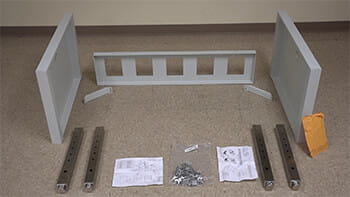

Telescoping Base Stand Assembly for Your Class II Biosafety Cabinet
Surface Decontamination in a Biosafety Cabinet
Smoke Tests NSF/ANSI 49

Therapeutics to Combat Aggressive Cancer
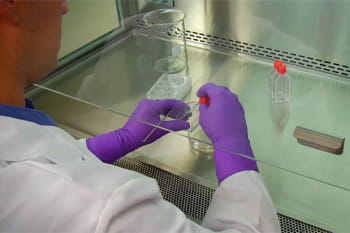
Understanding the Biosafety Cabinet
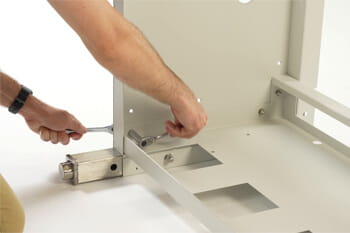
Telescoping Base Stand Assembly
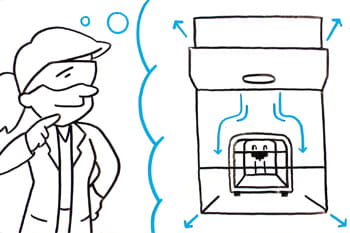
Tailor Made Biosafety Cabinets for Automation
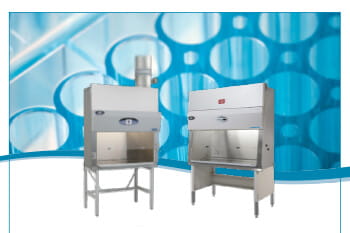
Tips for Purchasing a Biosafety Cabinet
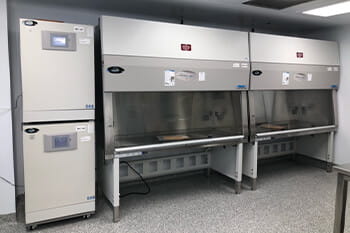
Setting Up the Lab
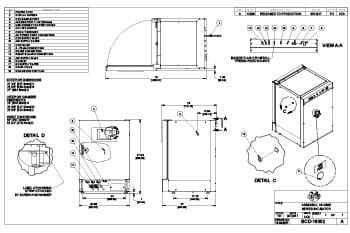
Water Jacket CO2 Incubator Drawing
Standard Operating Procedures (SOPs) for Biosafety Cabinet Use