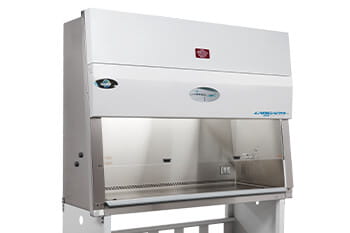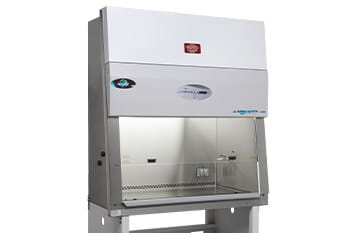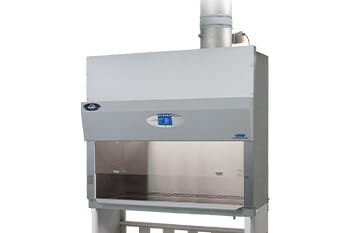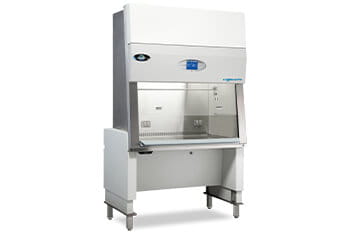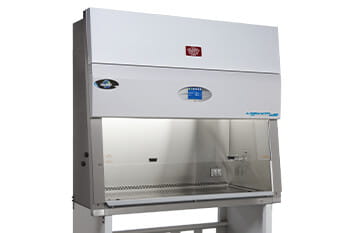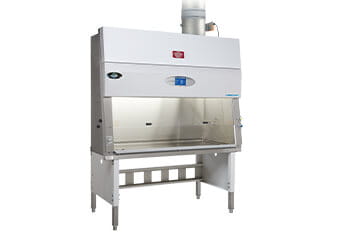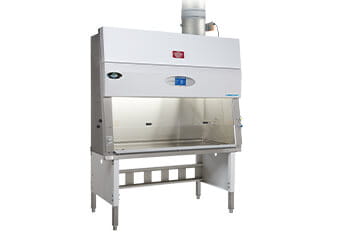
 Infographic
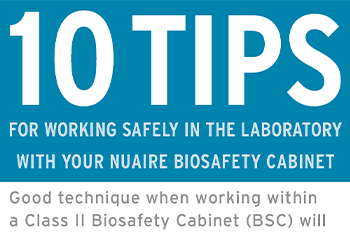
10 Tips for Working Safely in the laboratory with Your Biosafety Cabinet
How to work safely in a biosafety cabinet:
To work safely in a Class II biosafety cabinet, start by stabilizing airflow, arranging materials from clean to dirty, and keeping grilles clear. Use slow, deliberate movements, manage open containers carefully, disinfect surfaces before and after work, and follow facility SOPs for alarms, spills, and shutdown.
Good technique inside a Class II Biosafety Cabinet (BSC) is one of the most effective ways to protect personnel, products, and the laboratory environment. NuAire’s
10 Tips for Working Safely in the Laboratory with Your Biosafety Cabinet infographic turns best practices into a simple visual checklist your team can follow every day.
What You’ll Learn from This Biosafety Cabinet Infographic
This resource is designed for researchers, technicians, biosafety officers, and lab managers who want to strengthen contamination control and airflow integrity. It pairs perfectly with NuAire guides like the
Class II Biosafety Cabinet Airflow Smoke Demo,
Working Safely in a Class II, Type A2 Biosafety Cabinet, and the
Biosafety Cabinet Operating Label infographic.
10 Tips for Safe Biosafety Cabinet Operation
-
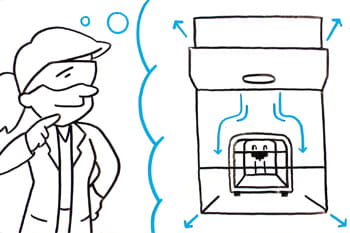
Understand Class II BSC Airflow
Learn how HEPA-filtered supply and exhaust air move through the cabinet so you can work with, not against, the air barrier. For a visual demonstration, see our
airflow smoke demo video. -
Start Up the Cabinet Correctly
Verify that the cabinet has been field certified, then allow the BSC to run long enough to stabilize airflow before bringing materials into the work zone. -
Set Up the Work Area from Clean to Dirty
Arrange supplies so that work flows from clean to contaminated areas, avoiding unnecessary crossing of hands and materials. For deeper setup guidance, review
Working Safely in a Class II, Type A2 BSC. -
Minimize Airflow Disruption
Keep front and rear grilles clear, avoid large obstructions, and limit rapid arm movements that can compromise containment and increase turbulence at the work surface. -
Use Proper Technique with Open Containers
Work with petri dishes, culture plates, and open tubes inside the established air curtain. Open only what you need and close containers promptly to reduce aerosol and droplet spread. -
Handle Equipment and Waste Safely
Position aspirator bottles, suction flasks, and waste containers toward the rear of the work surface while keeping them off the grilles. For spill response, follow the
10 Steps to Cleaning a Spill in a Biosafety Cabinet guide. -
Respond Correctly to Alarms
Take airflow and sash alarms seriously. Stop manipulations, secure open containers, and follow your facility SOPs and NuAire’s
Biosafety Cabinet Alarm Response guidance if airflow is out of range. -
Optimize Ergonomics to Reduce Errors
Adjust chair height, arm position, and sight lines so you can work comfortably without leaning into the grille or blocking airflow. See
Biosafety Cabinet Ergonomics for practical tips to improve comfort and consistency. -
Disinfect Surfaces Before and After Work
Wipe down interior surfaces, equipment, and frequently touched areas with an appropriate disinfectant, working from clean to dirty and top to bottom to limit cross contamination. -
Shut Down Safely and Document
After completing work and disinfection, remove waste and materials in a controlled manner, allow the cabinet to purge, and document use according to your biosafety program and SOPs.
Why These Biosafety Cabinet Tips Matter
Consistently applying these 10 tips helps labs align with global biosafety expectations and standards, supports effective training, and reduces the risk of product loss or exposure incidents.
When combined with regular certification, proper room design, and quality equipment, good technique inside the BSC becomes a cornerstone of your safety culture.
Put This Infographic to Work in Your Lab
Print and post the 10 Tips for Working Safely in Your Biosafety Cabinet infographic near your NuAire BSC or include it in onboarding and refresher training.
It provides a fast, visual reminder of the behaviors that keep personnel protected and experiments on track.
Related Resources
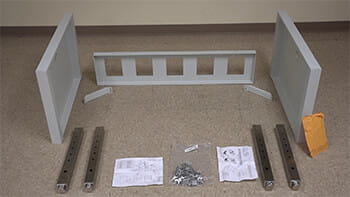

Telescoping Base Stand Assembly for Your Class II Biosafety Cabinet

Surface Decontamination in a Biosafety Cabinet
Smoke Tests NSF/ANSI 49

Therapeutics to Combat Aggressive Cancer
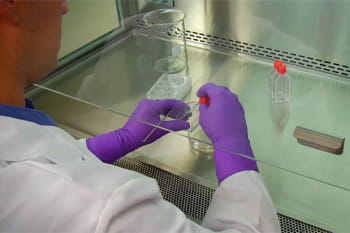
Understanding the Biosafety Cabinet
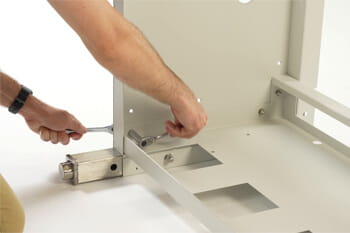
Telescoping Base Stand Assembly
Tailor Made Biosafety Cabinets for Automation
Tips for Purchasing a Biosafety Cabinet
Setting Up the Lab

When to Replace Your Laboratory Centrifuge

Standard Operating Procedures (SOPs) for Biosafety Cabinet Use