 Article
Gas Decontamination in Biosafety Cabinets: Why, When, and How
Introduction: Beyond Surface Cleaning
Routine surface decontamination is a critical part of maintaining a safe lab environment. But there are times when surface cleaning just isn’t enough. In certain situations, a full gas decontamination of your biosafety cabinet (BSC) becomes necessary to address contamination hidden inside HEPA filters, plenums, and blower assemblies.
Learn more about effective surface decontamination techniques at NuAire.
When is Gas Decontamination Necessary?
Gas or vapor decontamination may be required in several scenarios, such as:
- Before replacing HEPA filters
- Prior to major internal maintenance or repairs
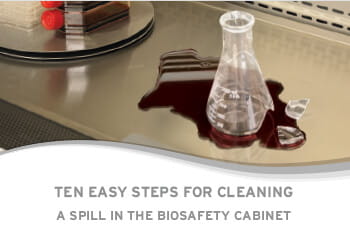
- After a significant biological spill or contamination event
- Before relocating, decommissioning, or salvaging the BSC
- When switching to different biological agents in the BSC
- After working with BSL-3 or BSL-4 pathogens or other high-risk biological agents requiring full internal decontamination
Many industry standards, including NSF/ANSI 49, recommend gas decontamination for BSCs used in BSL-3 and BSL-4 labs. If you’re preparing for a move or installation, review our biosafety cabinet installation and design considerations.
Step-by-Step Biosafety Cabinet Gas Decontamination Process
Gas decontamination of a biosafety cabinet must follow a validated, documented protocol. The general sequence includes these five phases:
- Pre-decontamination preparation: Remove all research materials, sharps, and consumables from the cabinet. Seal exhaust and supply ports to contain the sterilant. Tape gaps around the access opening and any service ports. Ensure all personnel have vacated and secured the room, and post appropriate hazard signage.
- Gas introduction: Introduce the selected sterilant (formaldehyde gas, vaporized hydrogen peroxide, or chlorine dioxide) at the validated concentration. The gas or vapor must reach all internal surfaces, including HEPA filter media, plenums, and blower assemblies.
- Dwell time: Maintain the sterilant concentration for the required contact period, typically 30 minutes to several hours depending on the agent and the organisms targeted. Concentration and dwell time must meet the validated parameters for the specific sterilant and contamination risk level.
- Neutralization: For formaldehyde decontamination, introduce ammonium carbonate or ammonia vapor to neutralize the formaldehyde and reduce residues before aeration begins. Vaporized hydrogen peroxide and chlorine dioxide decompose naturally but still require a controlled aeration phase.
- Aeration and validation: Aerate the cabinet until sterilant levels fall below occupational exposure limits confirmed by air monitoring. Following aeration, the biosafety cabinet must be recertified per NSF/ANSI 49 before returning to service.
Gas decontamination should only be performed by trained, qualified personnel following a written, validated protocol. Contact a certified BSC field certifier or your cabinet manufacturer’s service team for assistance.
Choosing the Right Gas Sterilant
Choosing the correct gas sterilant is a decision that should be based on your lab’s specific risk profile. Common sterilants include:
- Formaldehyde Gas: Effective and widely used, but classified as a human carcinogen and requires thorough neutralization.
- Chlorine Dioxide Gas: Fast-acting with strong penetration but requires precise humidity control.
- Hydrogen Peroxide Vapor (HPV): Safer to handle and leaves minimal residue, but may not be compatible with all materials.
It’s important to conduct a proper biosafety cabinet risk assessment before selecting a sterilant for decontamination.
Gas Decontamination Methods Compared
The three most common sterilants for biosafety cabinet gas decontamination each carry distinct advantages, limitations, and typical applications. Select based on your specific pathogen risk, material compatibility, and facility capabilities.
| Method | Pros | Cons | Common Use |
|---|---|---|---|
| Formaldehyde gas | Proven efficacy; deep penetration of filter media; widely accepted under NSF/ANSI 49 | Human carcinogen; requires neutralization step; longer cycle and extended aeration period | Legacy facilities; certification-mandated decontamination; BSL-3 and BSL-4 applications |
| Vaporized hydrogen peroxide (VHP) | Faster cycle; decomposes to water and oxygen; lower occupational exposure risk; no neutralization step required | Higher equipment cost; may not be compatible with all materials; requires humidity control | Modern labs; facilities prioritizing lower residue and reduced occupational hazard |
| Chlorine dioxide gas | Effective across a broad spectrum of organisms; good penetration | Less commonly used; requires precise humidity control; specialized generation equipment needed | Specialized applications; facilities with existing chlorine dioxide infrastructure |
Key Safety Considerations
Gas decontamination should always be handled by trained professionals following validated methods. Proper PPE, monitoring equipment, and thorough documentation are non-negotiable. Remember, while these sterilants are highly effective, they are also hazardous if mishandled. Formaldehyde, for instance, mandates specific neutralization steps and extended aeration periods.
For additional guidance on safe cabinet use, visit our Biosafety Cabinet SOP guide.
Best Practices After Gas Decontamination
Once a gas decontamination cycle is complete, it’s critical to ensure the biosafety cabinet is safe and ready for future work. Here’s what you should do:
- Conduct a full airflow validation to confirm proper function.
- Recertify the biosafety cabinet following current NSF/ANSI 49 standards.
- Inspect all surfaces and components for chemical residues or material degradation.
- Document the decontamination event and any corrective actions taken.
Maintaining a validated and certified BSC after gas decontamination protects both personnel and research integrity. For everyday cleaning practices between major decontaminations, review our guide on surface decontamination in a biosafety cabinet.
Frequently Asked Questions
How long does biosafety cabinet gas decontamination take?
Total cycle time varies by method and cabinet size. Formaldehyde decontamination typically requires 6 to 12 hours including dwell time, neutralization, and aeration. Vaporized hydrogen peroxide (VHP) cycles are generally faster, often 2 to 6 hours, depending on sterilant concentration, cabinet volume, and validation requirements.
Is formaldehyde still used for biosafety cabinet decontamination?
Yes. Formaldehyde gas remains an accepted decontamination method under NSF/ANSI 49 and related standards. However, its carcinogen classification and occupational hazard profile have led many facilities to transition to vaporized hydrogen peroxide (VHP) or chlorine dioxide, which present lower residue risk and reduced exposure concerns for lab personnel.
Can I decontaminate a biosafety cabinet myself?
No. Gas decontamination must be performed by trained, qualified personnel following a validated written protocol. NSF/ANSI 49 requires proper safety controls, monitoring equipment, and documentation throughout the process. Most facilities engage NSF-accredited field certifiers or the cabinet manufacturer’s service team to perform decontamination cycles safely and in compliance with applicable standards.
What gas is safest for biosafety cabinet decontamination?
Vaporized hydrogen peroxide (VHP) is widely considered the safest common option. It breaks down into water and oxygen, leaves minimal toxic residue, and presents a lower occupational exposure risk than formaldehyde or chlorine dioxide. The right choice depends on the specific pathogens handled, material compatibility requirements, and your facility’s equipment and validated protocols.
Do all biosafety cabinets require gas decontamination?
Not on a routine basis. Gas decontamination is required when internal surfaces, HEPA filters, or plenums may have been contaminated and surface cleaning cannot reach those areas. Common triggers include scheduled HEPA filter replacement, internal servicing, cabinet relocation or decommissioning, and work with BSL-3 or BSL-4 pathogens.
{
“@context”: “https://schema.org”,
“@type”: “FAQPage”,
“mainEntity”: [
{
“@type”: “Question”,
“name”: “How long does biosafety cabinet gas decontamination take?”,
“acceptedAnswer”: {
“@type”: “Answer”,
“text”: “Total cycle time varies by method and cabinet size. Formaldehyde decontamination typically requires 6 to 12 hours including dwell time, neutralization, and aeration. Vaporized hydrogen peroxide (VHP) cycles are generally faster, often 2 to 6 hours, depending on sterilant concentration, cabinet volume, and validation requirements.”
}
},
{
“@type”: “Question”,
“name”: “Is formaldehyde still used for biosafety cabinet decontamination?”,
“acceptedAnswer”: {
“@type”: “Answer”,
“text”: “Yes. Formaldehyde gas remains an accepted decontamination method under NSF/ANSI 49 and related standards. However, its carcinogen classification and occupational hazard profile have led many facilities to transition to vaporized hydrogen peroxide (VHP) or chlorine dioxide, which present lower residue risk and reduced exposure concerns for lab personnel.”
}
},
{
“@type”: “Question”,
“name”: “Can I decontaminate a biosafety cabinet myself?”,
“acceptedAnswer”: {
“@type”: “Answer”,
“text”: “No. Gas decontamination must be performed by trained, qualified personnel following a validated written protocol. NSF/ANSI 49 requires proper safety controls, monitoring equipment, and documentation throughout the process. Most facilities engage NSF-accredited field certifiers or the cabinet manufacturer’s service team to perform decontamination cycles safely and in compliance with applicable standards.”
}
},
{
“@type”: “Question”,
“name”: “What gas is safest for biosafety cabinet decontamination?”,
“acceptedAnswer”: {
“@type”: “Answer”,
“text”: “Vaporized hydrogen peroxide (VHP) is widely considered the safest common option. It breaks down into water and oxygen, leaves minimal toxic residue, and presents a lower occupational exposure risk than formaldehyde or chlorine dioxide. The right choice depends on the specific pathogens handled, material compatibility requirements, and your facility’s equipment and validated protocols.”
}
},
{
“@type”: “Question”,
“name”: “Do all biosafety cabinets require gas decontamination?”,
“acceptedAnswer”: {
“@type”: “Answer”,
“text”: “Not on a routine basis. Gas decontamination is required when internal surfaces, HEPA filters, or plenums may have been contaminated and surface cleaning cannot reach those areas. Common triggers include scheduled HEPA filter replacement, internal servicing, cabinet relocation or decommissioning, and work with BSL-3 or BSL-4 pathogens.”
}
}
]
}
Related Resources
- Biosafety Cabinet Risk Assessment
- Biosafety Cabinet Installation and Design Considerations
- SOPs: Biosafety Cabinet Use Guide
- Surface Decontamination in a Biosafety Cabinet
- When Work is Completed in the Biosafety Cabinet (Video)
Ready to dive deeper into best practices for gas decontamination in biosafety cabinets? Download our detailed white paper for a comprehensive guide, including:
- When full BSC decontamination is necessary
- Comparison of approved chemical sterilants
- Best practices for lab safety, certification, and compliance
Ensure your lab is prepared for every critical decontamination event. Get your copy today!
Related Resources
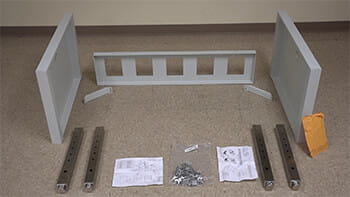

Telescoping Base Stand Assembly for Your Class II Biosafety Cabinet
Surface Decontamination in a Biosafety Cabinet
Smoke Tests NSF/ANSI 49
Therapeutics to Combat Aggressive Cancer
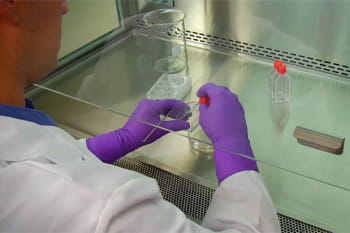
Understanding the Biosafety Cabinet
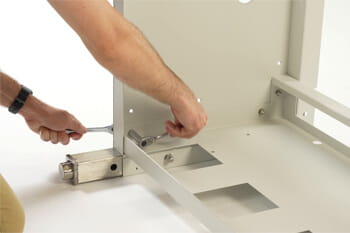
Telescoping Base Stand Assembly
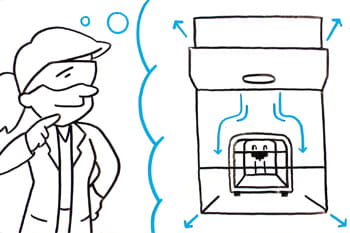
Tailor Made Biosafety Cabinets for Automation
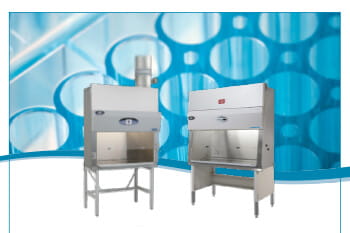
Tips for Purchasing a Biosafety Cabinet
Setting Up the Lab
Use of Pharmacy Compounding Isolator Onboard US Navy Ship
Standard Operating Procedures (SOPs) for Biosafety Cabinet Use