 White Paper
Surface Decontamination in a Biosafety Cabinet
Why Proper Surface Decontamination Matters
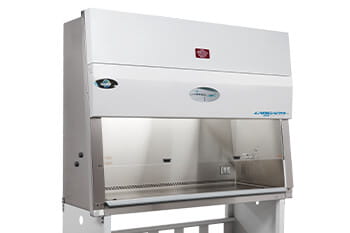
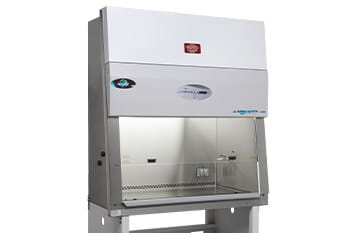
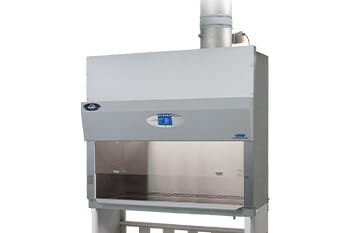
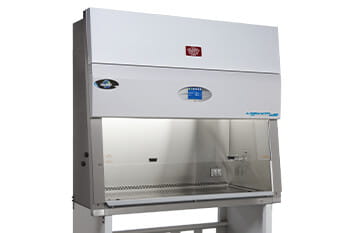
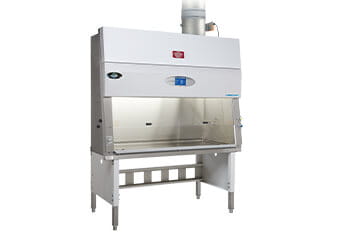
Decontaminating the interior surfaces of a biosafety cabinet (BSC) is a critical practice for ensuring protection of personnel, products, and the environment. While most labs focus on post-experiment cleanup, surface decontamination before starting work is equally important to eliminate any residual contamination and to maintain a sterile workspace.
Inside This White Paper: What You’ll Learn
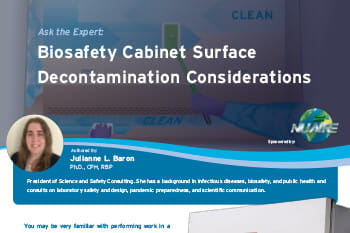
Authored by Julianne L. Baron, Ph.D., CPH, RBP, this white paper provides lab managers and biosafety officers with a practical guide to:
- Understanding when and why to decontaminate BSC surfaces both before and after use
- Selecting appropriate disinfectants based on a risk assessment — including how chemical compatibility impacts your BSC’s stainless steel surfaces
- Preventing damage from corrosive disinfectants by following correct neutralization steps
- Implementing safe, effective wiping techniques without compromising airflow or user safety
- Integrating decontamination procedures into your lab’s broader biosafety cabinet training program
Best Practices for Surface Decontamination
This guide explains step-by-step decontamination techniques that align with CDC and WHO recommendations, including:
- How to avoid disturbing airflow when decontaminating interior surfaces
- When to use mechanical tools (e.g., mop handles) to safely reach side and back walls
- Critical precautions when using disinfectants inside the BSC work zone
- Responding to spills inside the cabinet, and why you should refer to resources like our 10 Steps to Cleaning a Spill Guide and Spill Containment Article
Decontamination as Part of a Biosafety Culture
Surface decontamination isn’t just about wiping down workspaces — it’s a vital part of your laboratory’s overall biosafety program. Pairing routine decontamination with strong SOPs for BSC use and real-world training exercises strengthens risk management across the board.
Resources like our WHO Incident Management Video and Working Safely in a Class II BSC Guide can help reinforce proper decontamination and spill response behaviors in your lab.
Download the Full White Paper
Learn how to optimize biosafety cabinet decontamination in your lab — and safeguard your personnel, products, and experiments. Download NuAire’s comprehensive white paper today.
Related Resources
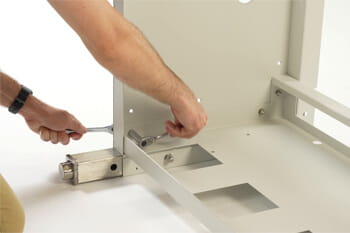

Telescoping Base Stand Assembly
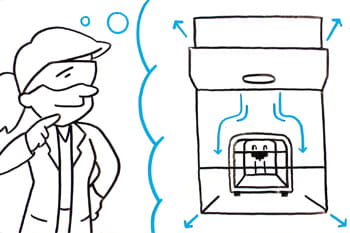
Tailor Made Biosafety Cabinets for Automation
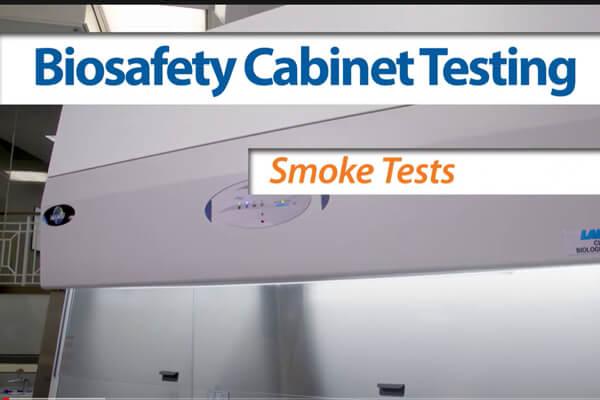
Smoke Tests NSF/ANSI 49
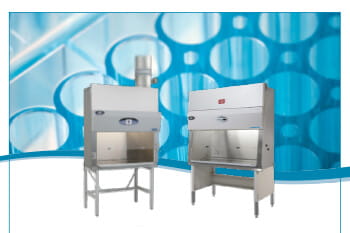
Tips for Purchasing a Biosafety Cabinet
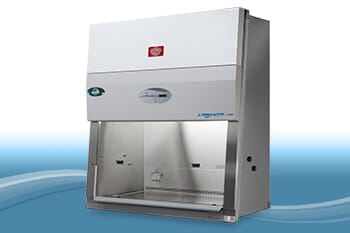
Understanding the NSF/ANSI 49 Standard: Ensuring Safety and Efficiency in Biosafety Cabinets
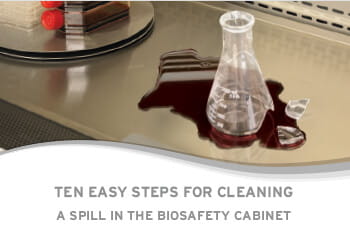
10 Steps to Cleaning a Spill in a Biosafety Cabinet
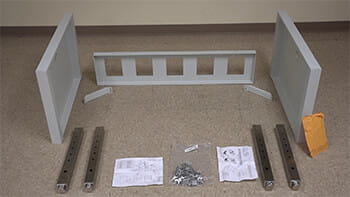
Telescoping Base Stand Assembly for Your Class II Biosafety Cabinet
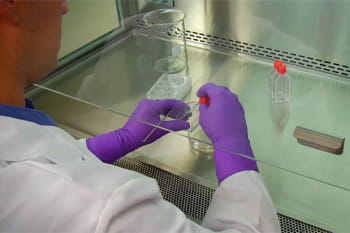
Understanding the Biosafety Cabinet
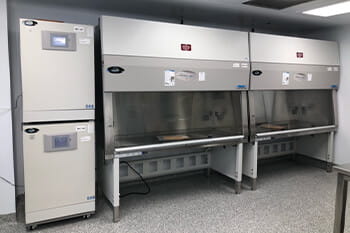
Setting Up the Lab
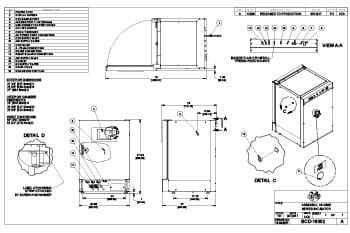
Water Jacket CO2 Incubator Drawing
Standard Operating Procedures (SOPs) for Biosafety Cabinet Use